

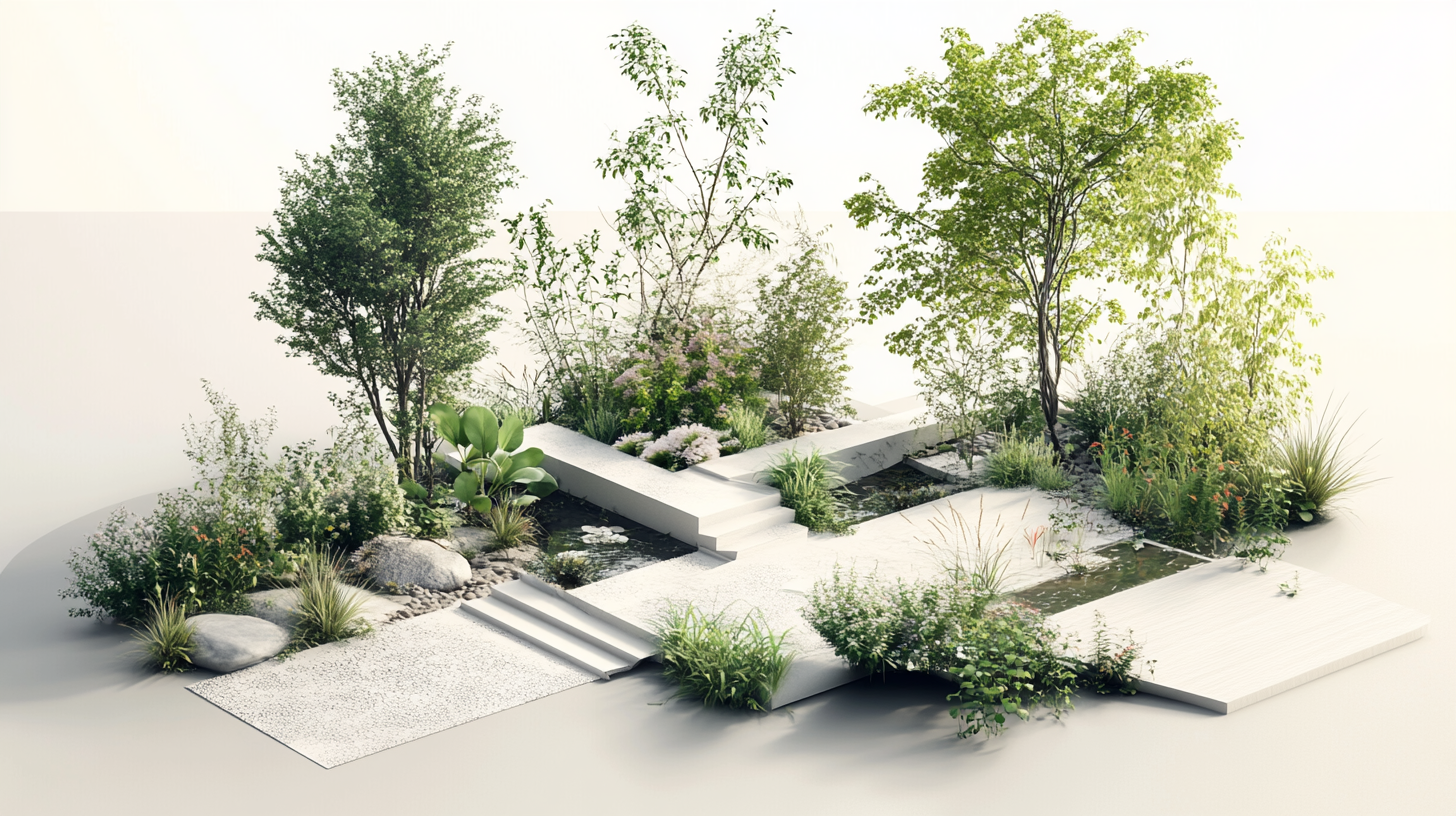
The garden was well built. The stone is good quality, laid properly. The planting is healthy and has established well. Nobody did anything wrong during the build.
But the main seating area catches morning sun and the family isn’t in the garden until the afternoon — by which point it’s in shade. The terrace is a generous size on paper; in practice it is too large to feel comfortable for two people and too small for the gatherings it was intended for. The view from the sitting room — the window the family looks through for most of the year — lands on the back of a wall. The path from the back door leads to the middle of the garden and stops.
Nothing is technically wrong. Every individual decision was reasonable. But no one, at any point, asked how the space would actually feel to be in.
That is a design failure. And it cannot be corrected by adding to the garden. The problems are in the bones — in decisions about orientation, proportion, sequence, and sightline that were made, or not made, before anything was built.
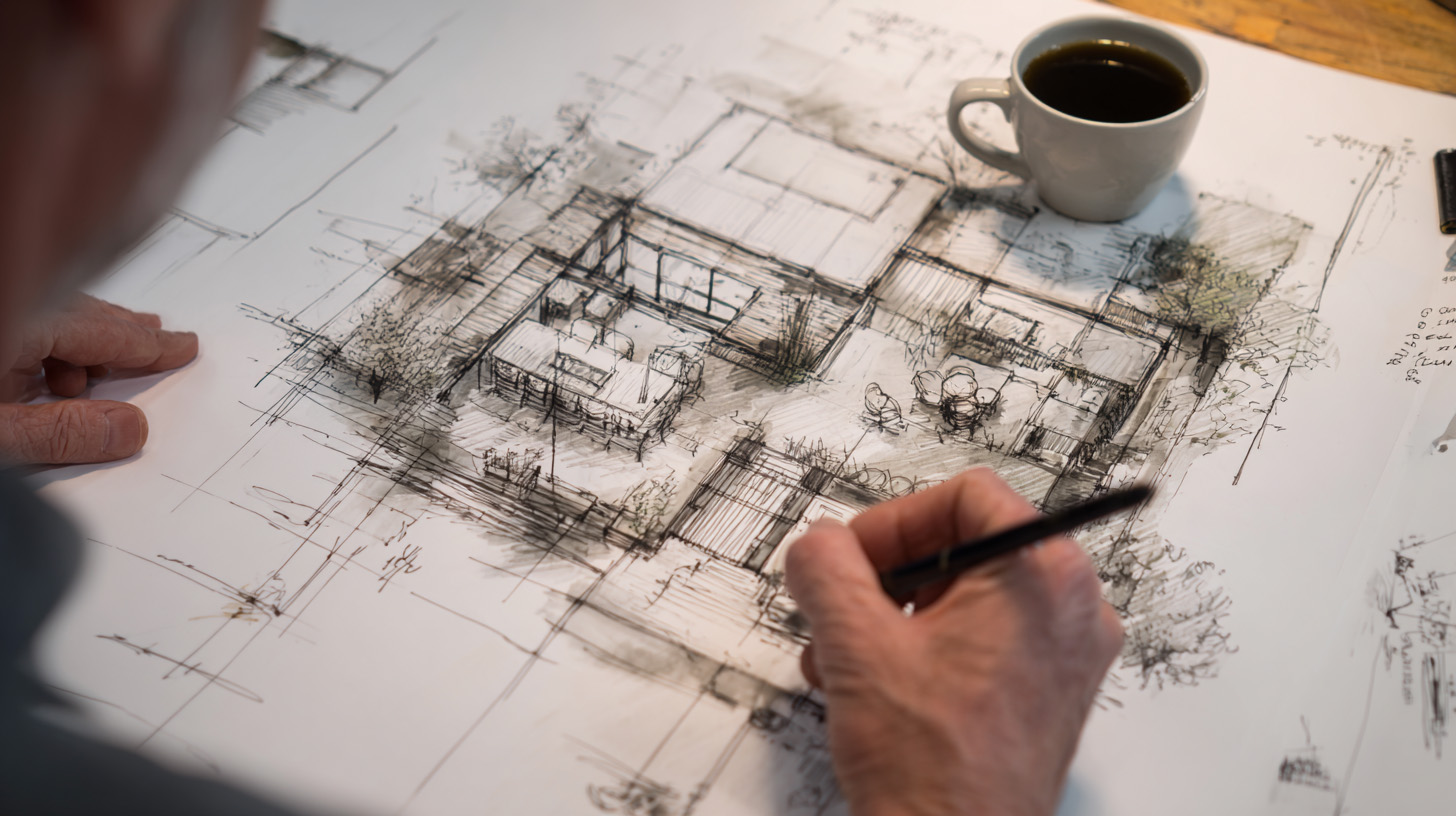
Design is not a phase in a garden project. It is not something you do early, sign off on, and move past. It is the framework that every subsequent decision either confirms or undermines. Orientation, proportion, spatial sequence, sightlines from the house, the relationship between inside and out — these are not details to be resolved on site. They are design decisions. And they are almost always made, consciously or not, before a single thing is built.
When they are made without a coherent design to guide them, the consequences are quiet but lasting. A seating area that never quite works because nobody checked where the sun falls in the afternoon. A terrace whose proportions feel wrong because the size was estimated rather than considered. A layout that seemed logical on a sketch but produces spaces in three dimensions that nobody gravitates toward. None of these are catastrophic. Each one is a cost — experiential first, then financial when the client eventually wants to change what cannot easily be changed.
The work of undoing them is always more expensive than the design would have been.
There is a version of this that clients occasionally resist: the idea that spending on design at the front end is the most efficient use of the overall budget. But the logic holds because design is the only point at which all the decisions are still available. Once foundations are dug, levels set, walls built, the options close. What can be corrected diminishes with each stage of the build. By the time the planting goes in, the spatial decisions are fixed — for better or worse, for decades.
The gardens that work — that feel resolved, that age well, that hold their quality long after the project is finished — are not the ones with the highest specification or the most generous planting. They are the ones where the thinking was done thoroughly before anything was committed to the ground.
That is what design is. Not the creative element added once the practical decisions are made. The foundation beneath all of them.