
The garden was ninety percent lawn when I arrived. Not because the clients had decided this was the right use of the space — they hadn’t decided anything. The lawn was inherited, and the question of whether it should stay had never seemed like one that needed asking.
It was taking two hours a week to maintain in season. Nothing lived in it that hadn’t been seeded there. No wildlife visited it with any purpose. It was not a bad garden. It was barely a garden at all.
A lawn kept for its own sake is not a choice. It is the absence of one.
The lawn persists not because it is the best response to open ground but because it is the most familiar one. A cultural default inherited from a particular moment in garden history — one that assumed abundant water, available labour, and an understanding of beauty rooted in uniformity — and applied indiscriminately to sites for which it is rarely the most considered response.
The conventional lawn demands regular mowing, watering, fertilising, aerating, and periodic reseeding. What it returns for this investment is a monoculture — a surface engineered to resist the very change that would make it more interesting, more useful, and more alive. What we call simple is usually just familiar. The lawn doesn’t offer simplicity. It offers predictability, which is a different thing.
In ecological terms, a traditional lawn is close to a desert. It supports almost no pollinators, provides no meaningful food or shelter, compacts the soil beneath it, and interrupts natural water cycles. The grass is alive but the system beneath it mostly is not.
The most common question when this conversation starts is: what would I use instead? The honest answer is that it depends entirely on what the lawn was actually doing. Space for children? A bark-mulched zone is softer, cooler in summer, and more forgiving. Somewhere to walk barefoot? Creeping thyme or a fine fescue mix performs underfoot and smells extraordinary in heat. Open space for hosting? A gravel surface with planting pockets is more welcoming than sun-scorched turf and requires almost no maintenance to look right.
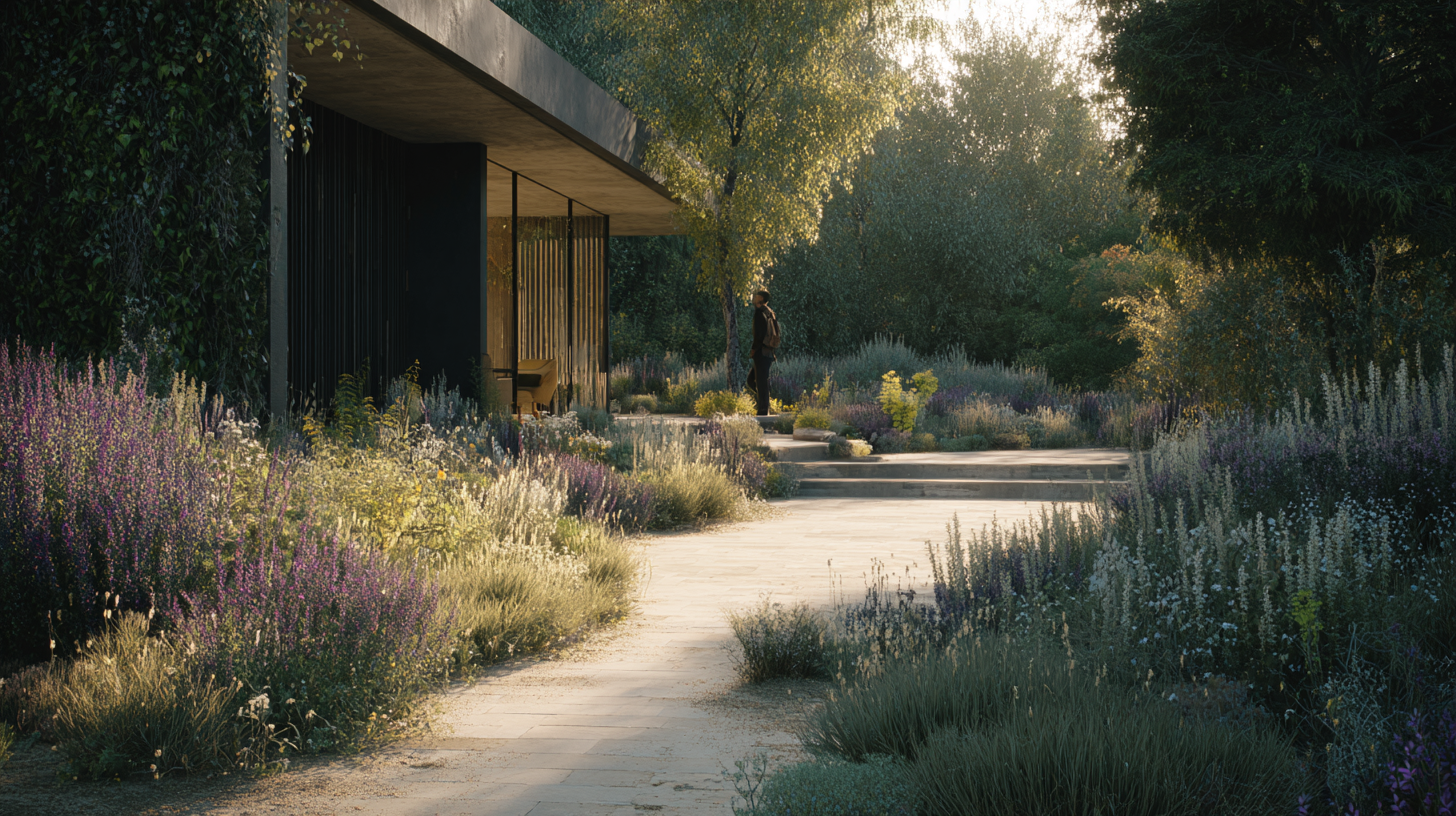
Perennial meadows move with the wind and support pollinators from early spring to late autumn. No-mow mixes with microclover reduce mowing frequency dramatically. Low groundcover suppresses weeds by design and stays dense without effort. These are not compromises. They are replacements that are almost always more ecologically useful, more seasonally interesting, and less demanding than what they replace.
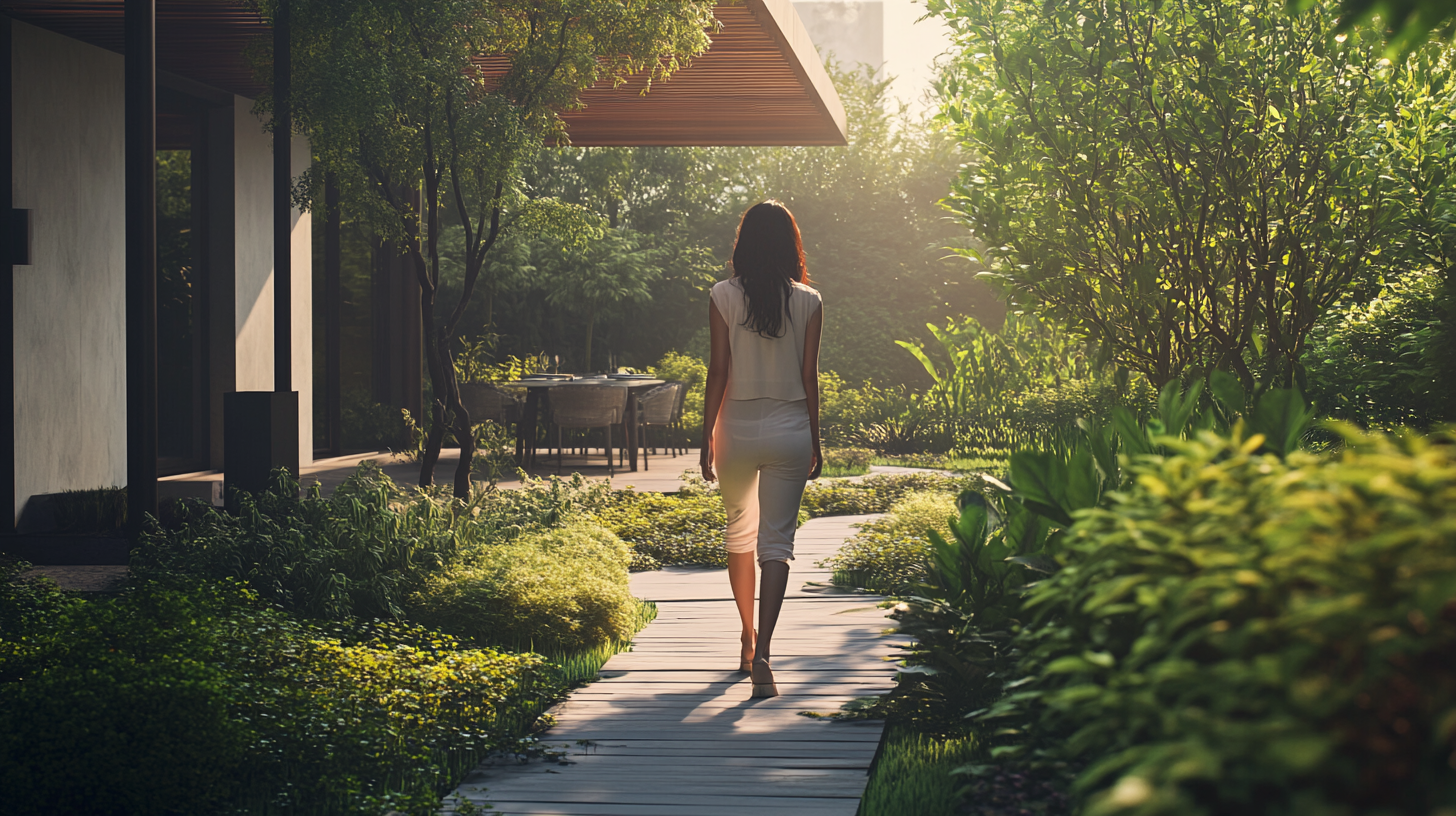
A year after that ninety-percent lawn was reduced by more than half, the clients told me they didn’t miss it. One corner had become layered woodland planting. A strip of compacted turf had been replaced with permeable gravel and pockets of thyme. A pollinator border ran along the fence line. They spent more time in the garden than they ever had. They heard birdsong where there had been silence. The garden had become somewhere to be rather than something to maintain.
That shift — from upkeep to presence — is what a living landscape makes possible. Not neatness. Not uniformity. Something worth more than both.